
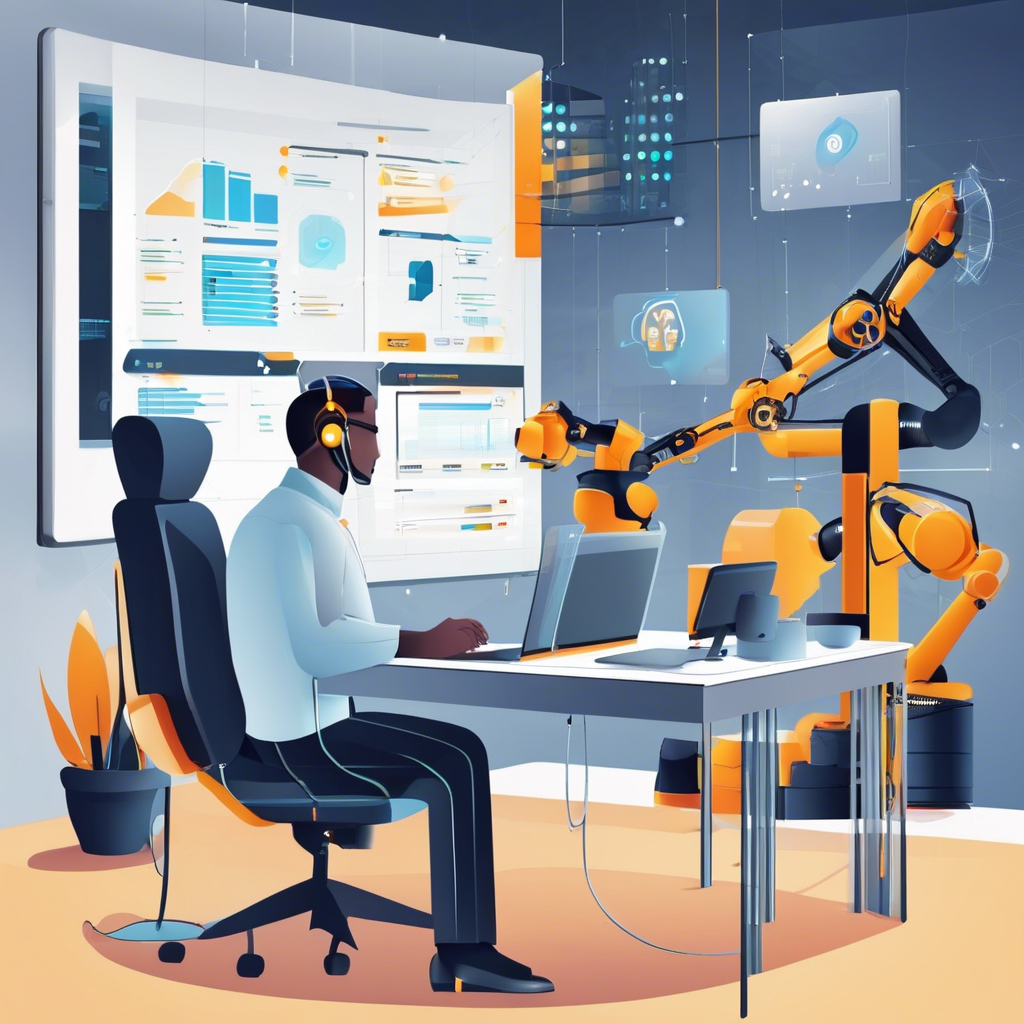
Artificial intelligence (AI) tools have revolutionized the way businesses operate in today’s fast-paced world. These advanced technologies are now being widely used for automating various processes, streamlining operations, and increasing efficiency across industries. From customer service to data analysis, AI tools are transforming the way businesses function. In this article, we will explore the impact of AI tools on business automation and how companies can leverage these technologies to stay ahead in a competitive market.
One of the key benefits of using AI tools for business automation is the ability to streamline repetitive tasks and processes. AI-powered software can handle mundane and time-consuming activities, allowing employees to focus on more strategic and creative tasks. This not only increases productivity but also reduces the likelihood of human errors, leading to improved accuracy in business operations.
AI tools also play a significant role in enhancing customer service and satisfaction. Chatbots powered by AI technology can provide instant responses to customer inquiries, resolve issues efficiently, and offer personalized recommendations based on customer preferences. This level of automation not only improves the overall customer experience but also helps businesses build stronger relationships with their clientele.
In addition to customer service, AI tools are instrumental in data analysis and decision-making processes within organizations. By utilizing AI algorithms to analyze vast amounts of data, businesses can derive valuable insights, identify trends, and make informed decisions quickly. This data-driven approach enables companies to stay agile and responsive in a dynamic business environment.
Furthermore, AI tools can assist businesses in optimizing their marketing strategies and campaigns. By leveraging AI for targeted advertising, personalized recommendations, and predictive analytics, companies can reach their target audience more effectively and drive higher conversion rates. This level of automation in marketing activities can lead to improved ROI and better overall business outcomes.
Another area where AI tools excel in business automation is in supply chain management and logistics. AI algorithms can optimize inventory management, predict demand fluctuations, and streamline transportation routes for efficient delivery. By automating these processes, businesses can reduce operational costs, minimize wastage, and improve overall supply chain efficiency.
Moreover, AI tools are increasingly being used in financial services for tasks such as fraud detection, risk assessment, and algorithmic trading. These technologies can analyze vast amounts of financial data in real-time, detect anomalies, and make split-second decisions that human analysts may overlook. By automating these critical functions, financial institutions can enhance security measures and improve operational efficiency.
On the operational front, AI tools can also assist businesses in workforce management and resource allocation. By analyzing employee performance data, predicting future staffing requirements, and optimizing schedules, businesses can ensure that they have the right resources in place to meet fluctuating demands. This level of automation can lead to cost savings and improved employee satisfaction.
Additionally, AI tools are playing a crucial role in product development and innovation. By leveraging AI algorithms for market research, trend analysis, and product testing, businesses can identify gaps in the market, develop innovative solutions, and launch successful products that resonate with consumers. This level of automation in product development can give companies a competitive edge in the market.
In conclusion, AI tools are transforming the landscape of business automation across various industries, offering numerous benefits such as increased efficiency, improved customer service, data-driven decision-making, and cost savings. As businesses continue to adopt AI technologies, it is essential for organizations to embrace these advancements and leverage them strategically to stay competitive in an ever-evolving market. By harnessing the power of AI tools for business automation, companies can drive innovation, enhance productivity, and achieve sustainable growth in the digital age.