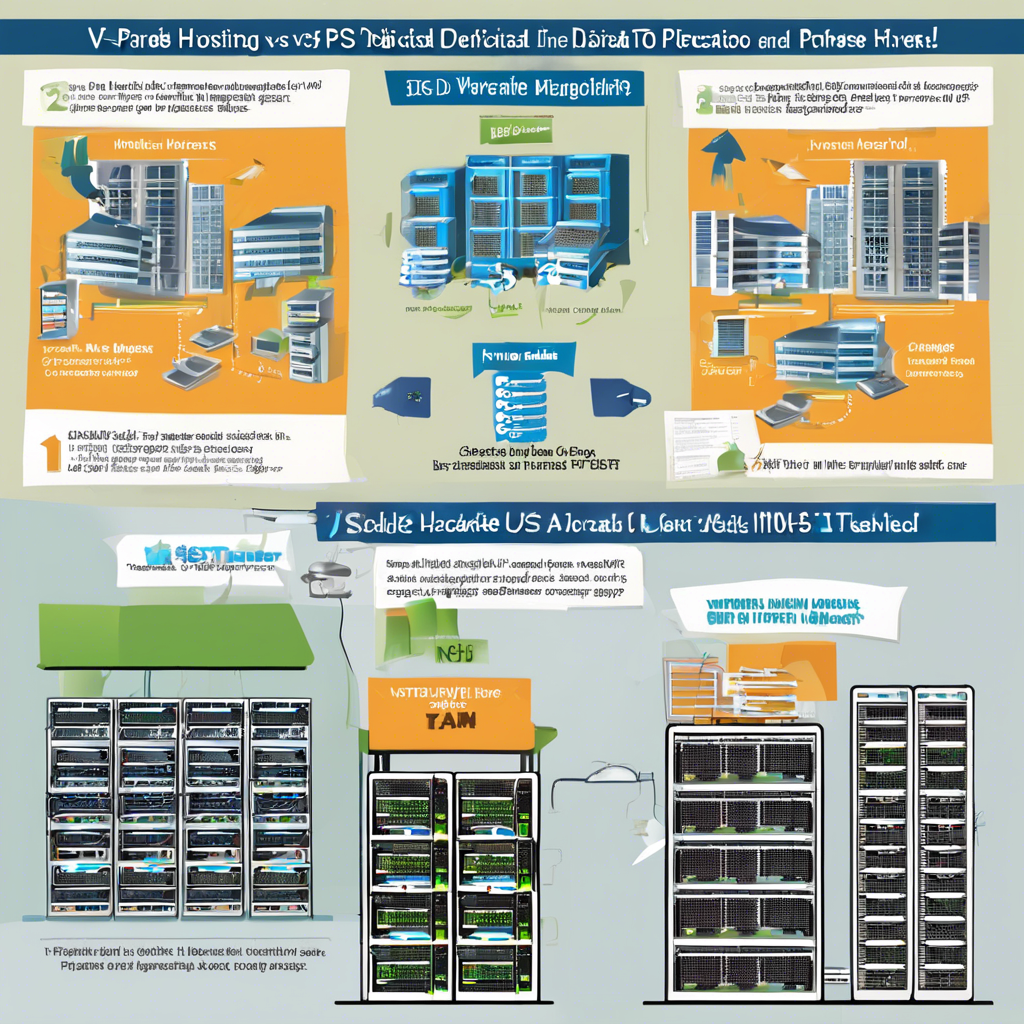
Shared hosting, VPS (Virtual Private Server) hosting, and dedicated hosting are three common types of web hosting services available for individuals and businesses looking to establish an online presence. Choosing the right hosting plan is crucial to ensure your website runs smoothly and efficiently. In this article, we will explore the differences between shared, VPS, and dedicated hosting using a simple analogy to help you understand the concept better.
Imagine you are planning a party and need a venue to host your event. Shared hosting is like renting a community hall where multiple parties are held simultaneously. Each party has its own designated area but shares resources such as tables, chairs, and bathrooms. Similarly, in shared hosting, multiple websites are hosted on a single server, sharing resources like CPU, RAM, and storage space.
On the other hand, VPS hosting can be compared to renting a private room in a hotel for your party. While you still share the overall infrastructure with other guests, you have your own dedicated space with separate resources allocated to your room. In VPS hosting, a physical server is divided into multiple virtual servers, each operating independently with its own dedicated resources.
Now, let’s consider dedicated hosting as booking an entire hotel for your party. You have exclusive access to all the facilities and resources without sharing them with anyone else. With dedicated hosting, you rent an entire physical server for your website, giving you full control over its performance, security, and customization options.
In summary, shared hosting is suitable for small websites or beginners with limited traffic and budget constraints. VPS hosting offers a balance between affordability and performance, making it ideal for growing websites that require more resources and flexibility. Dedicated hosting is the most powerful and expensive option, catering to high-traffic websites, e-commerce platforms, and applications that demand maximum performance and security.
When choosing a hosting plan, consider factors such as your website’s traffic volume, performance requirements, budget, and technical expertise. It’s essential to assess your needs and goals to select the hosting solution that best suits your requirements. Whether you opt for shared, VPS, or dedicated hosting, remember that the quality of your hosting service can significantly impact your website’s performance and user experience.
In conclusion, understanding the differences between shared, VPS, and dedicated hosting is essential for making an informed decision when selecting a hosting plan for your website. By comparing these hosting options to hosting a party, you can grasp the key distinctions and functionalities of each type. Choose wisely based on your website’s specific needs and goals to ensure a seamless hosting experience and optimal performance for your online presence.